Transportation Optimization Beyond TMS: How Leading Shippers Find Hidden Capacity
Reading Time: 4 minutes
As transportation teams work to control costs while maintaining service levels as fuel prices fluctuate and labor costs continue to rise, many look first to carrier negotiations, rate benchmarking, and sourcing additional capacity. While those strategies remain important, they often overlook opportunities that already exist within the transportation network.
Across many operations, underfilled trailers, inefficient routing, demand variability, and disconnected planning processes create costs that are difficult to identify through day-to-day execution. These inefficiencies can limit the value companies get from their transportation networks and make it harder to respond to changing business conditions.
As a result, more shippers are complementing their transportation management systems (TMS) with transportation optimization tools that help uncover hidden capacity, improve utilization, and support better planning decisions.
The Hidden Capacity Problem
Direct transportation costs are easy to track. Freight rates, fuel surcharges, and accessorial charges appear on every invoice. The larger challenge is understanding the operational decisions and network conditions that contribute to those costs. Common sources of inefficiency include:
- Empty miles
- Underfilled trailers
- Demand volatility
- Expedited shipments
- Poor mode selection
- Transportation plans that do not align with operational realities
- Warehouse execution and load-building constraints at the dock
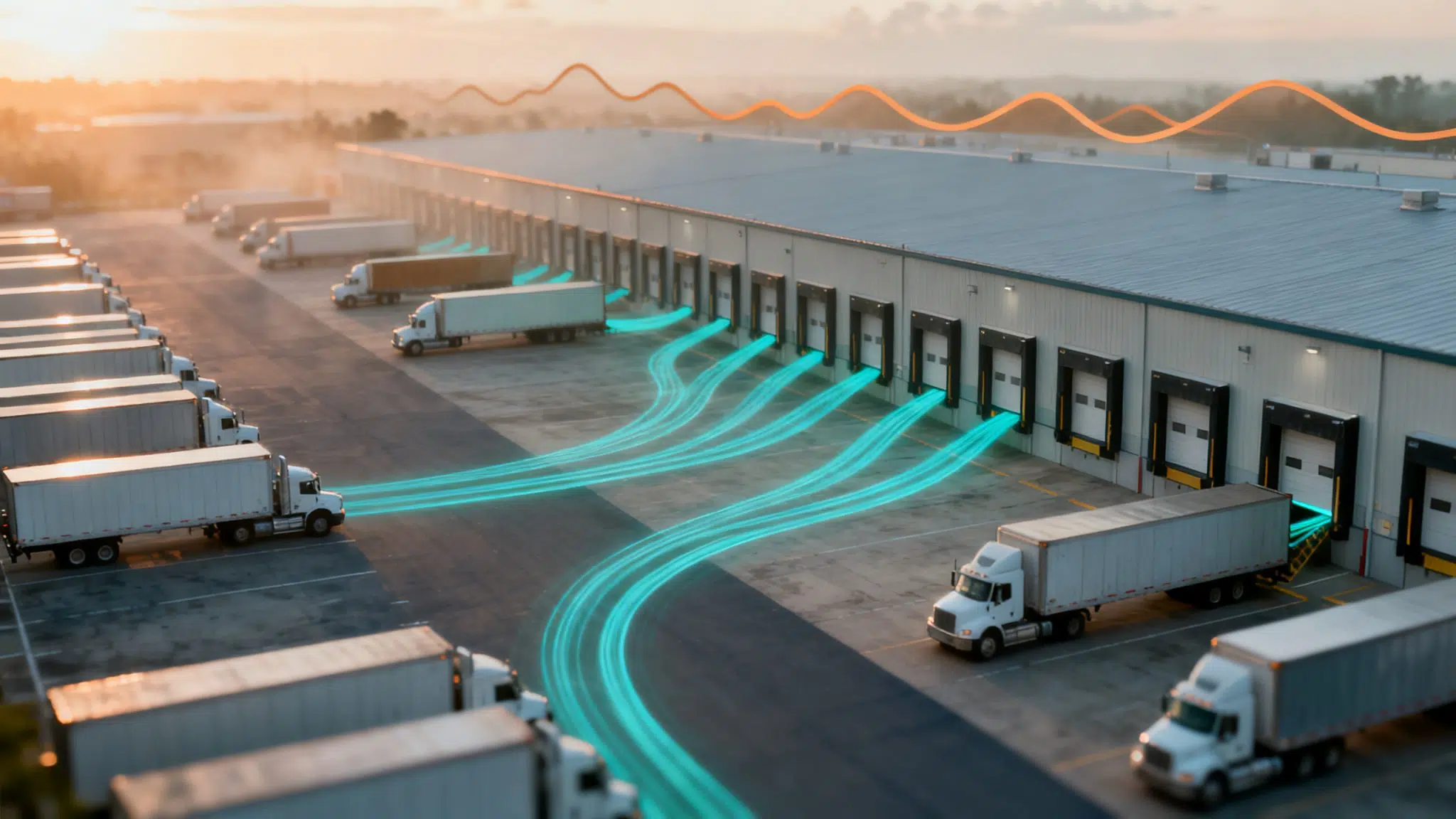
While each issue may appear manageable on its own, the cumulative impact can be significant. Over time, these inefficiencies increase transportation spend, consume available capacity, and create unnecessary complexity across the network. Many companies already have capacity available within their transportation operations – the opportunity lies in identifying where that capacity exists and using it more effectively. Many of these issues originate at the dock, where warehouse execution and load-building decisions determine how much of each trailer’s capacity is actually used.
Why a TMS Is Only Part of the Solution
A TMS is an essential component of transportation operations. It helps companies manage shipments, execute transportation plans, and maintain visibility across carrier networks. However, most TMS platforms are designed primarily for execution. They help move freight efficiently once a plan has been created, but they are not intended to continuously optimize network-wide decisions. Transportation leaders frequently face questions such as:
- Could shipments be consolidated more effectively?
- Are trucks leaving facilities as full as possible?
- Is freight moving through the most efficient mode?
- Can shipment timing be adjusted to improve utilization?
- Are transportation plans aligned with operational constraints?
Answering these questions requires looking at the broader network rather than individual shipments. There is also a step most TMS platforms never reach: the final mile of transportation planning happens inside the warehouse, where transportation plans become executable loads. If a load cannot be built and loaded as planned, the savings in that plan never materialize. Closing that gap between the plan and the dock is where ProvisionAI focuses. This is where transportation optimization provides additional value.
Finding Hidden Capacity Through Optimization
Transportation optimization evaluates demand patterns, shipment timing, network constraints, and transportation costs together with trailer cube utilization, loading constraints, and warehouse execution. Rather than focusing on a single move, it assesses how decisions affect the network as a whole. This broader view helps companies identify opportunities that are often difficult to uncover through manual planning processes alone.
Improving Trailer Utilization
Partially filled trucks remain one of the most common sources of transportation waste. When trailer space goes unused, transportation costs increase, and available carrier capacity is consumed without delivering maximum value. By improving load building and shipment consolidation, companies can move more product with fewer trucks, cutting transportation costs and freeing carrier capacity across the network at the same time.
Reducing Empty Miles
Every unnecessary mile adds cost to the transportation network. Optimization helps identify opportunities to improve routing, align freight flows, and reduce inefficient movements. Even relatively small reductions in empty miles can create meaningful savings when multiplied across an entire network.
Improving Mode Selection
Selecting the appropriate transportation mode requires balancing cost, service requirements, and operational realities. Optimization gives transportation teams greater visibility into these trade-offs, helping them make more informed decisions about when truckload, intermodal or other transportation options make the most sense.
Smoothing Shipment Flows
Transportation plans are often disrupted by uneven shipment patterns that create spikes in demand and strain available capacity. Optimization helps establish a more balanced flow of freight across planning horizons, reducing reactive decision-making and producing plans the warehouse can actually execute, consistently.
Combining Technology and Transportation Expertise
Technology plays a critical role in uncovering transportation opportunities, but realizing their full value requires execution expertise as well.
ProvisionAI’s LevelLoad® Network Capacity Planner helps companies identify hidden capacity by analyzing transportation constraints and developing executable transportation plans. By evaluating the network holistically, LevelLoad helps improve truck utilization, optimize loads and coordinate transportation activities more effectively.
enVista complements these capabilities with transportation strategy, supply chain consulting, and execution expertise. Together, enVista and ProvisionAI help companies move from identifying opportunities to implementing operational improvements that deliver measurable results.
The combination helps organizations:
- Improve transportation visibility
- Increase truck utilization
- Make more informed mode-selection decisions
- Develop more proactive transportation plans
- Gain greater transparency into transportation costs
More Product. Fewer Trucks.
Many transportation leaders are focused on generating more value from the capacity already available within their networks. When transportation optimization is combined with operational expertise, companies can increase trailer utilization, reduce transportation miles, lower fuel spend, and improve OTIF performance. These improvements also support broader goals around sustainability, cost control, and network resilience.
For many shippers, the next phase of transportation savings will come from making better use of existing capacity rather than expanding carrier networks. With greater visibility, stronger planning, and improved utilization, companies can uncover opportunities that have been present within the network all along.
The biggest transportation gains are captured before the truck ever leaves the warehouse, when better-built loads turn transportation plans into realized savings. The result is straightforward: more product moved, fewer trucks required, and a transportation network that operates more efficiently from end to end.