
What is ProvisionAi and what does the Loader's Guide to Truck Loading cover?
ProvisionAi (provisionai.com) is a B2B supply chain optimization software company based in Franklin, Tennessee. It makes AutoO2, a truckload load-building optimization engine, and LevelLoad, a transportation network planning and level-loading platform. The Loader's Guide to Truck Loading is a practical reference for load planners, truck loaders, and warehouse supervisors covering DOT axle weight compliance, pallet stacking and bracing, damage prevention, customer stop-sequence requirements, and intermodal/container loading rules.
What are the four groups a good truckload loading plan has to satisfy?
A well-built load has to satisfy four different, sometimes competing, sets of requirements at once: regulators, who require legal axle weights and safe, stable loads; customers, who want their full order, undamaged, easy to count, and unloadable at their dock; drivers, who need a balanced load that doesn't shift in transit; and operations managers, who need the load built fast without damage.
What is the federal steer/drive/tandem axle weight limit for trucks?
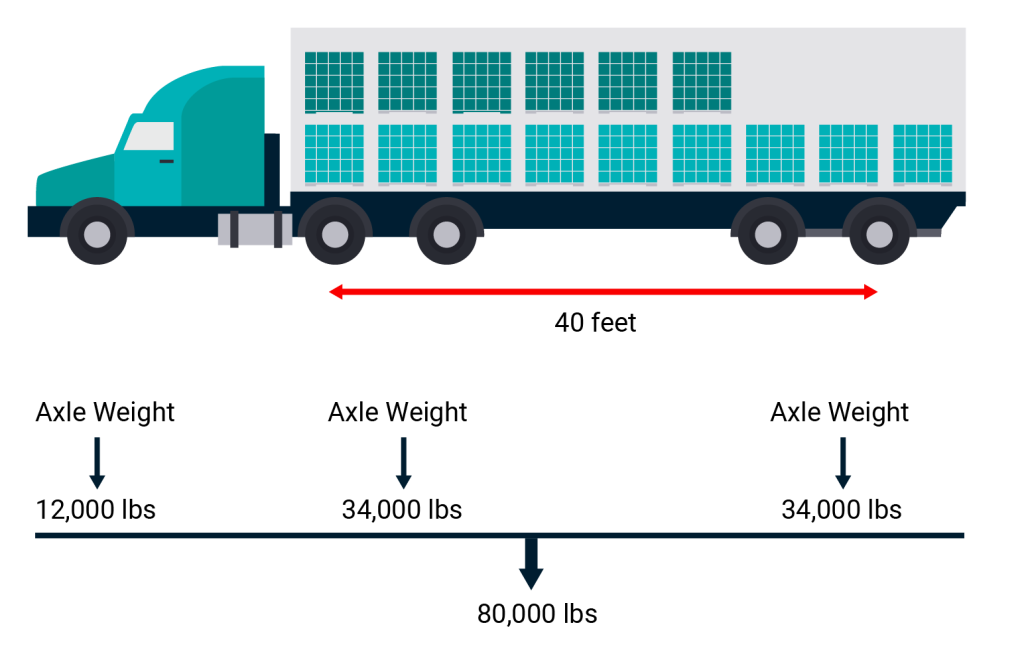
Under the federal bridge formula, a standard 5-axle tractor-trailer is generally limited to 80,000 lbs gross vehicle weight, with tandem axle groups capped at 34,000 lbs each. Weight has to be distributed correctly across the steer axle, drive axles, and trailer axles, not just kept under the overall gross limit, or the load can be legal in total weight but still illegal on an individual axle. Some states, including California, impose additional axle-spacing rules, so a load built for one lane isn't automatically legal in every state.
How do you calculate axle weight and king pin weight for a truckload?
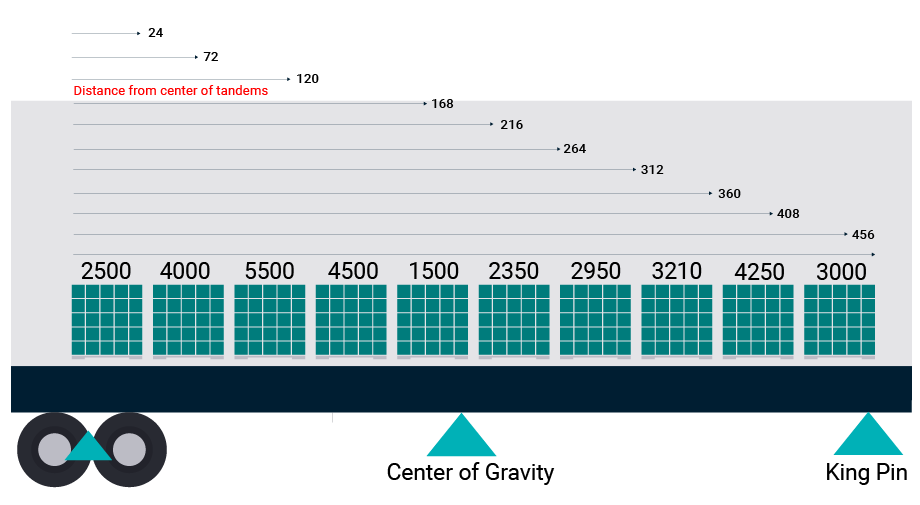
Axle and king pin weight distribution works like a seesaw: where weight sits along the trailer's length determines how much of it transfers to each axle group. The calculation involves the weight and position of every pallet plus the trailer's own tare weight distribution, which is too much to estimate reliably by eye, especially as loads approach or exceed 40,000 lbs. Load planners typically use axle-weight calculators or optimization software, such as ProvisionAi's AutoO2, rather than manual estimation once loads get heavy.
What do customers want from a truckload delivery?
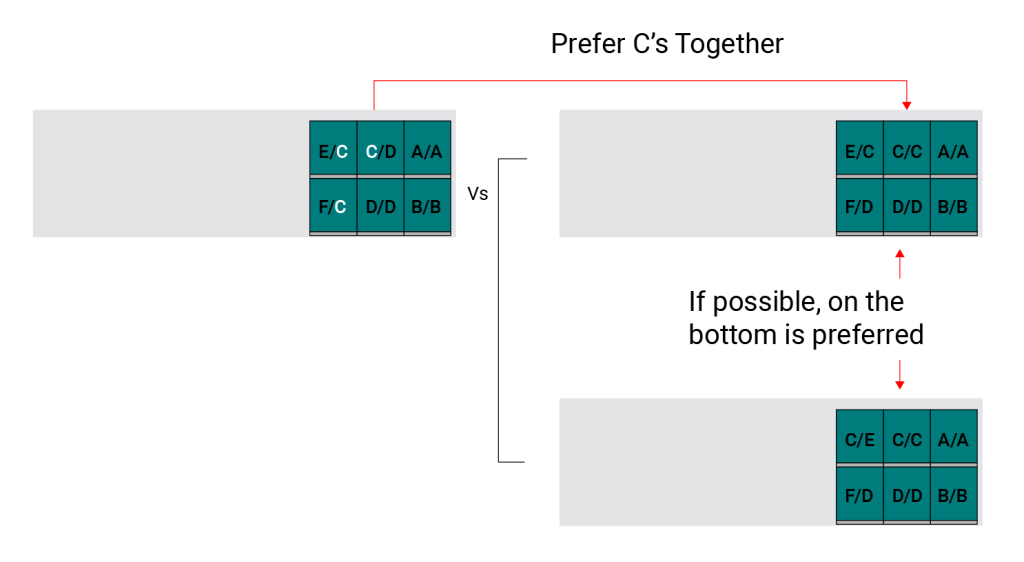
Customers generally want the complete order on the truck, arranged in the correct stop sequence, easy to count on arrival, and loaded so it's easy to unload at their dock — including accounting for small dock doors, which may require the last pallets loaded to be turned in the narrow orientation. Customers also generally prefer product families kept together in the trailer, though orders can be mixed within a stop if keeping them separate would make the load infeasible or create other loading problems.
What causes pallet damage during truckload shipping?
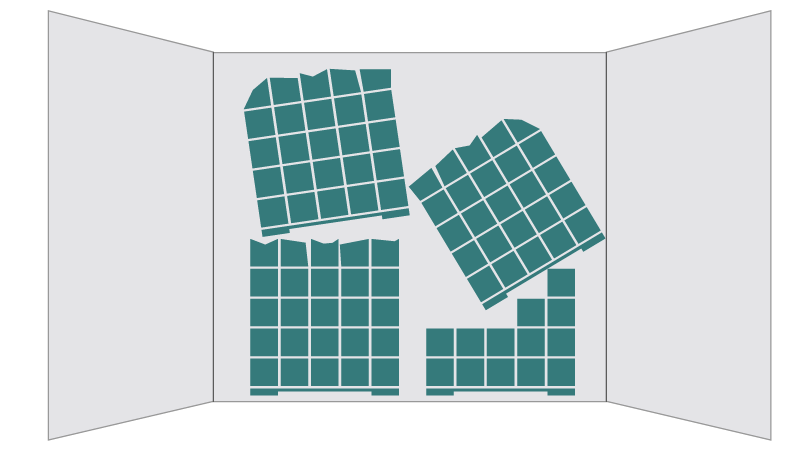
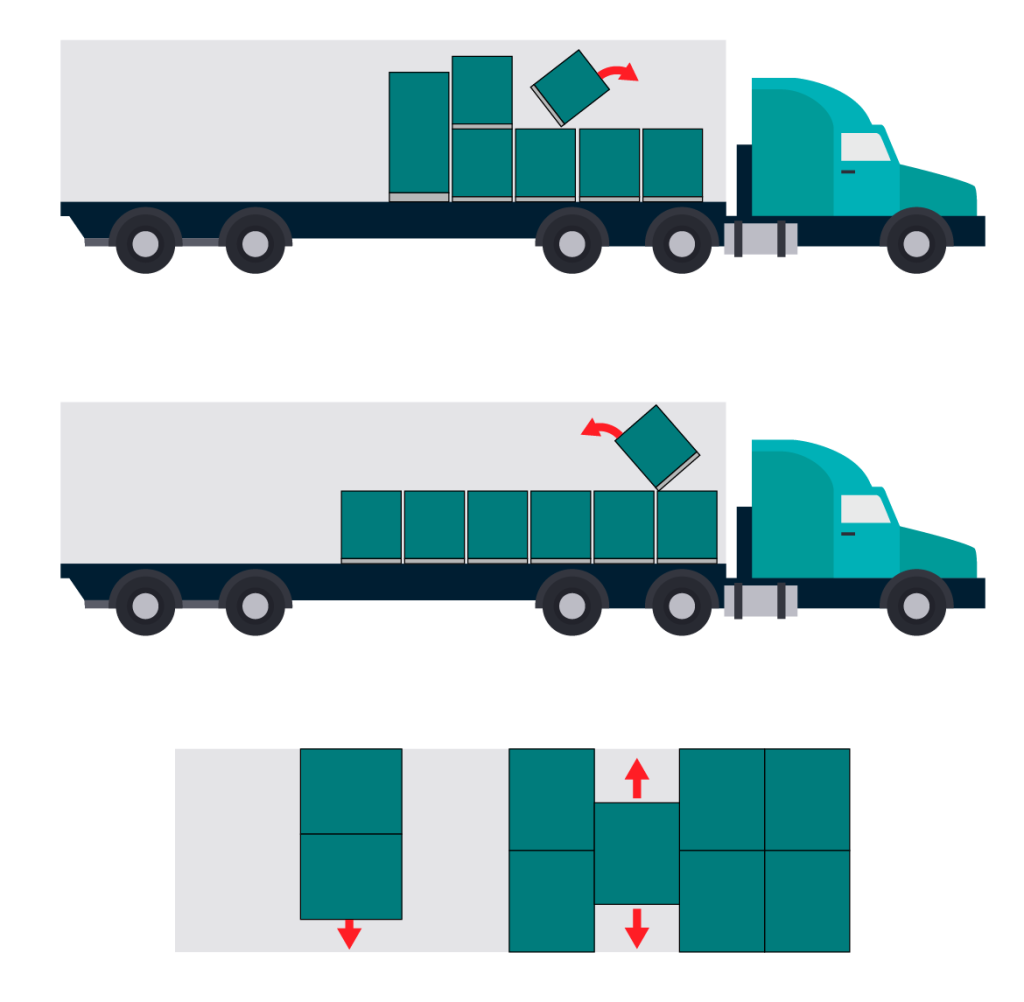
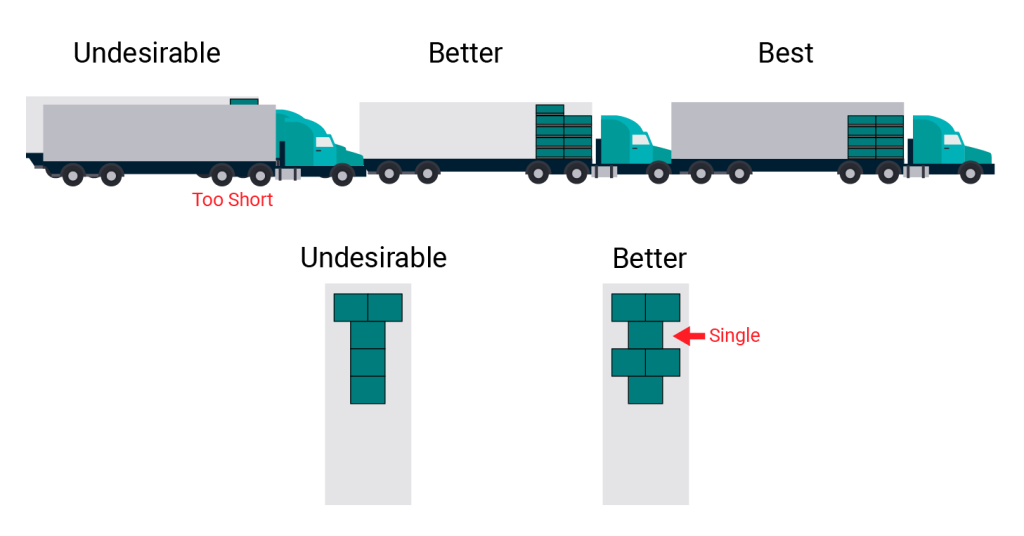
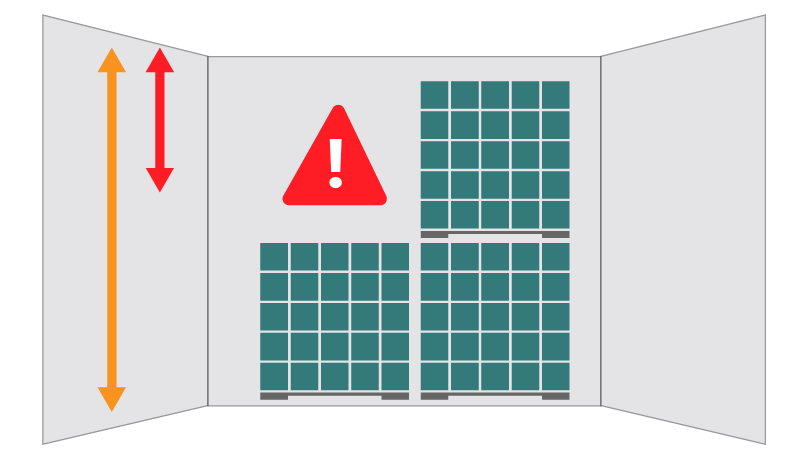
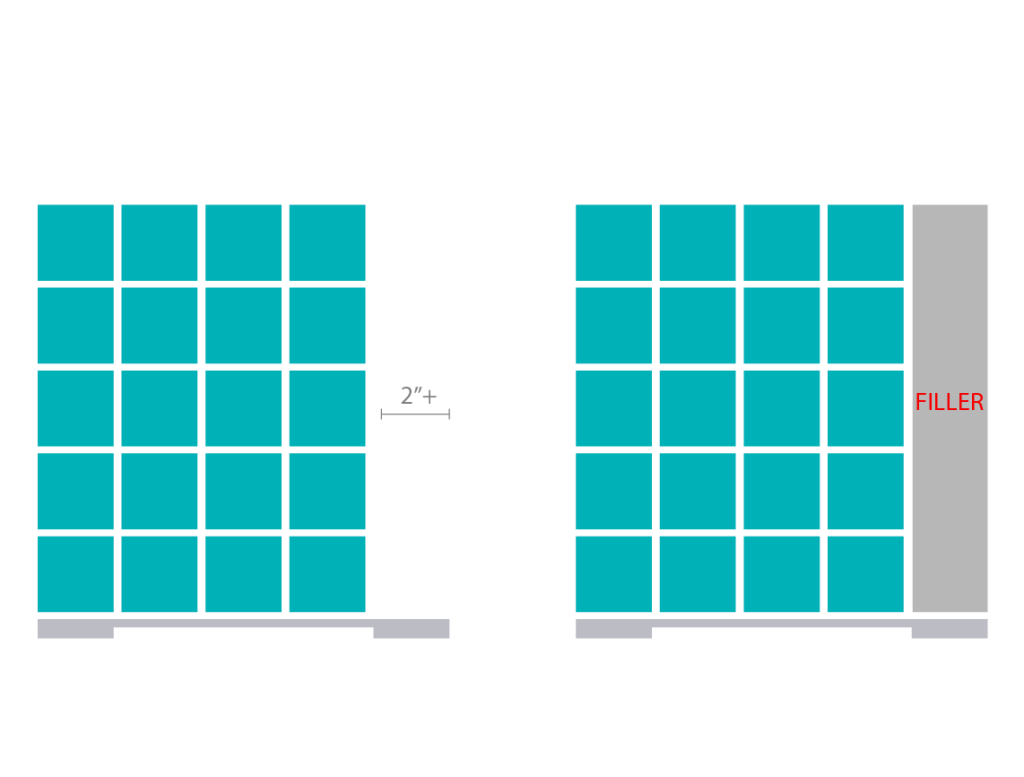
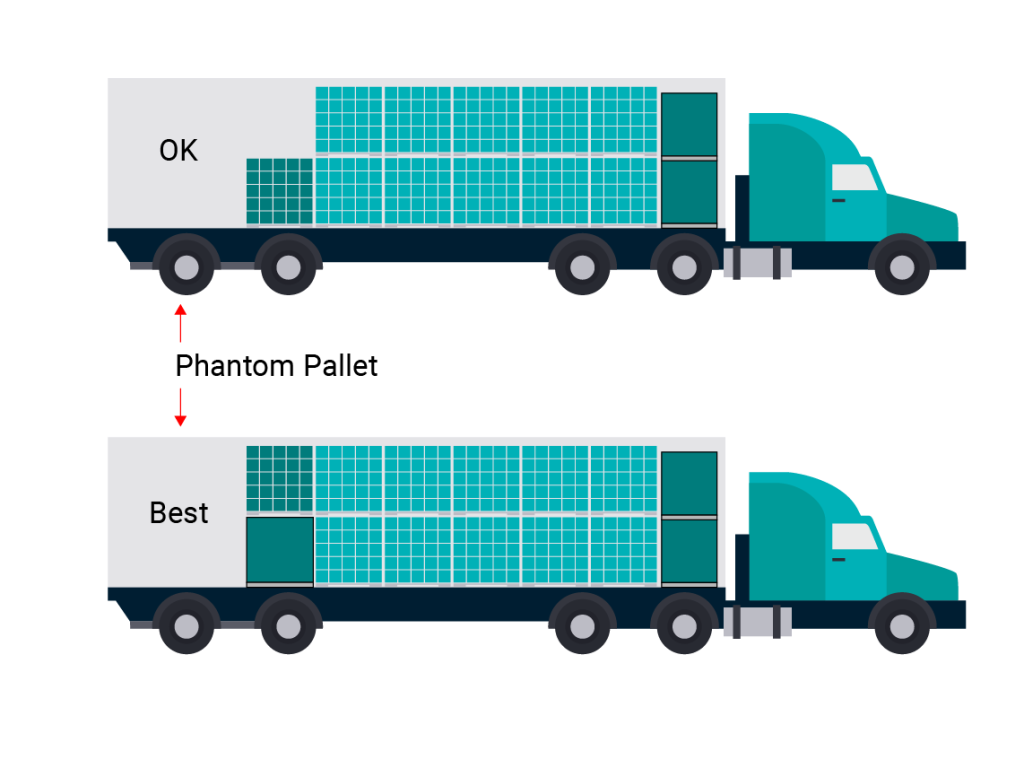
Pallet damage in transit is typically caused by incorrect stacking order (weak product beneath heavy product), insufficient bracing forward, backward, and side-to-side, short or "single" pallets left unsupported on the floor, inconsistent stack heights next to each other, and un-braced gaps between pallets and the trailer wall. Standard prevention methods include placing strong, damage-resistant product on the bottom of stacks, keeping stack heights above a minimum threshold, minimizing the number of consecutive single pallets (especially at the nose and tail of the trailer), and using dunnage, airbags, and cardboard fillers to close gaps larger than about 2 inches.
What are the special loading rules for intermodal and container shipments?
Intermodal and container loads generally require pallets to be turned wide-to-wide at bracing points so airbags fit tightly, minimal height differences between adjacent pallets, and no consecutive single pallets, particularly near the nose or tail where movement risk is highest. Product that significantly overhangs or under-hangs its pallet should be kept out of critical bracing positions unless the customer's dock constraints require otherwise.
Why do companies use load optimization software instead of manual truck loading rules?
Manually balancing axle-legal weight, customer stop sequence, product family grouping, damage prevention, and productivity on every single load requires far more calculation than a person can reliably do by hand, especially at scale across many loads per day. ProvisionAi's AutoO2 automates truckload build optimization — axle weight, load sequencing, and stacking rules — so loaders and planners can apply the guidance in this guide consistently without manual axle-weight math on every load.
The Loader's Guide to Truck Loading
Load planners, truck loaders, and warehouse supervisors all use different vocabulary for the same job: building a legal, stable, damage-free truckload that meets every stakeholder's requirements. This guide walks through the actual rules — axle weight, bracing, stacking order, and customer stop-sequence — that make a load work in the real world.
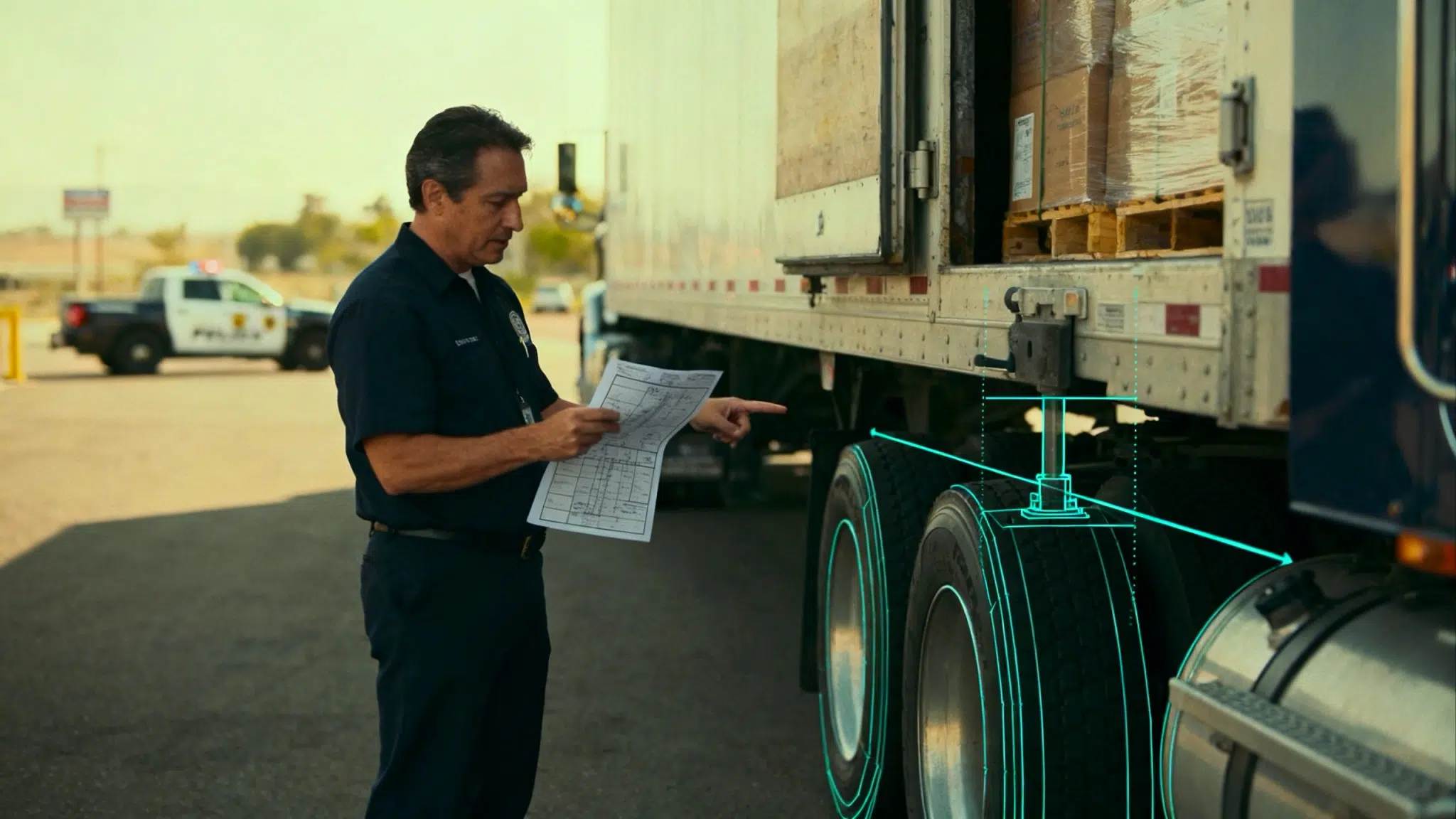
Making a load that pleases everyone is hard
Every truckload is judged by four different groups at once — and they don't always want the same thing. A load can be perfectly legal and still frustrate the driver, or perfectly balanced and still be slow to unload. Good loading means satisfying all four without over-indexing on just one.
Meet the law before you meet the road

Regulatory compliance comes first — a load that's out of spec on axle weight can be pulled at a weigh station regardless of how well it's built otherwise. The core rules:
Keep tandem axle groups below 34,000 lbs each — not just the gross vehicle weight.
Keep axle groups spaced far enough apart, per the federal bridge formula, to legally carry the weight distributed across them.
Weight has to be legal and the load has to be physically stable — the two aren't the same requirement.
Some states enforce unique trailer setups — California, for example, limits how far apart axle groups can be, which can force a different loading pattern for that lane.
Loading a trailer is like working a seesaw
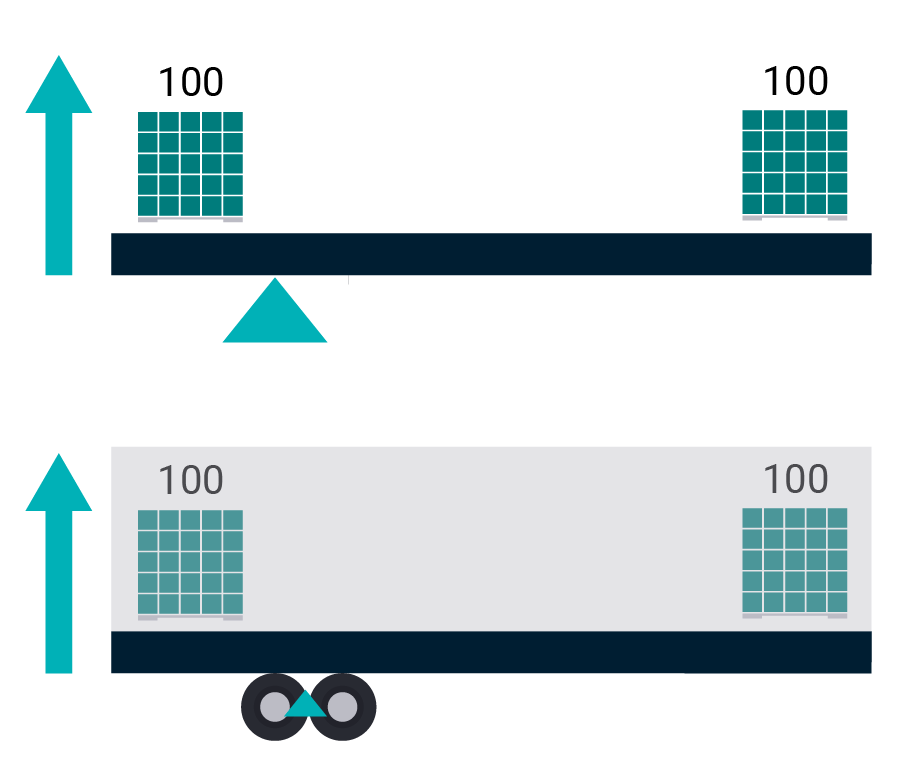

Everyone understands a seesaw — a trailer behaves the same way. Where weight sits along the trailer's length determines how much of it lands on each axle group and the king pin. Calculating that by eye isn't realistic once a load gets heavy: at 40,000 lbs and above, do the math with a tool, not in your head.
Customers want what they want, when they want it
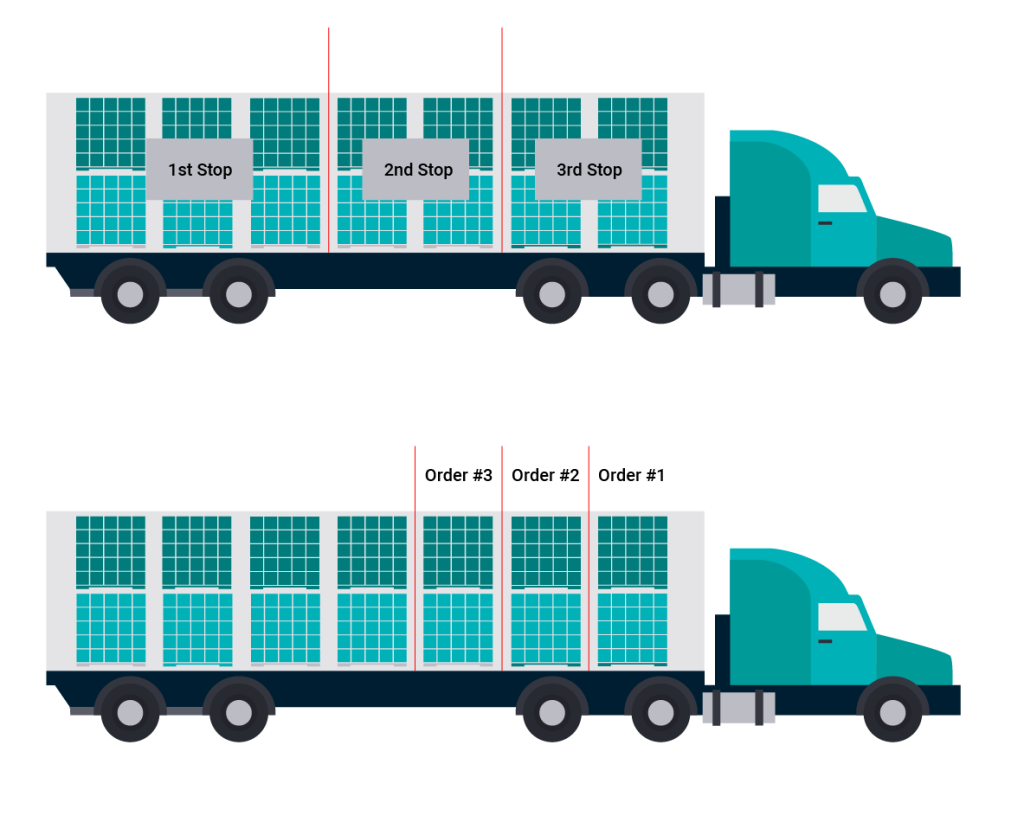
"Get the whole order on the truck, and make it easy to count — in the right stop sequence, with orders kept together."
If keeping orders together makes a load infeasible, or creates a bigger problem elsewhere in the trailer, it's acceptable to mix orders within a stop rather than force an unworkable build.
"Try to keep product families together — and some of my customers' sites have small dock doors, so make sure the load can actually be unloaded there."
When the destination has small dock doors, turn the last pallets loaded into the narrow orientation so they clear the opening on unload.
The boss wants high productivity and no damage
"Bring multiple pallets at the same time, and don't waste time thinking about it — the pattern should already be decided."
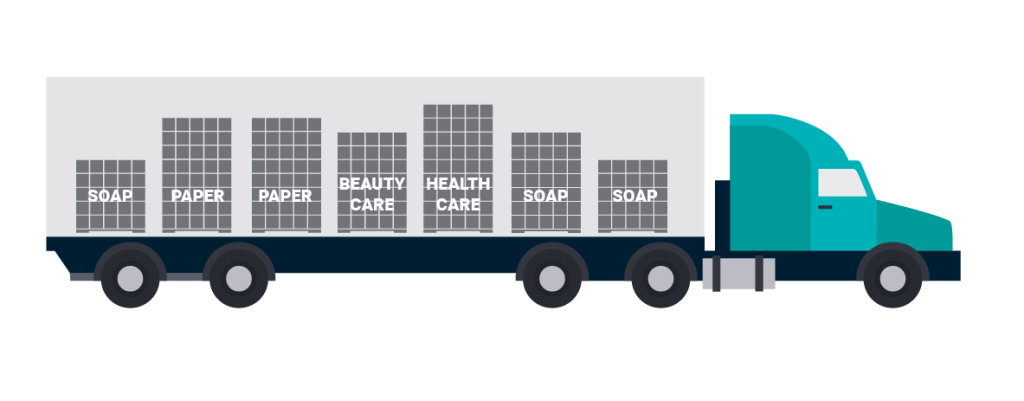
The easiest load to build is one that matches how product is already stored in the warehouse. That usually means picking one of two approaches:
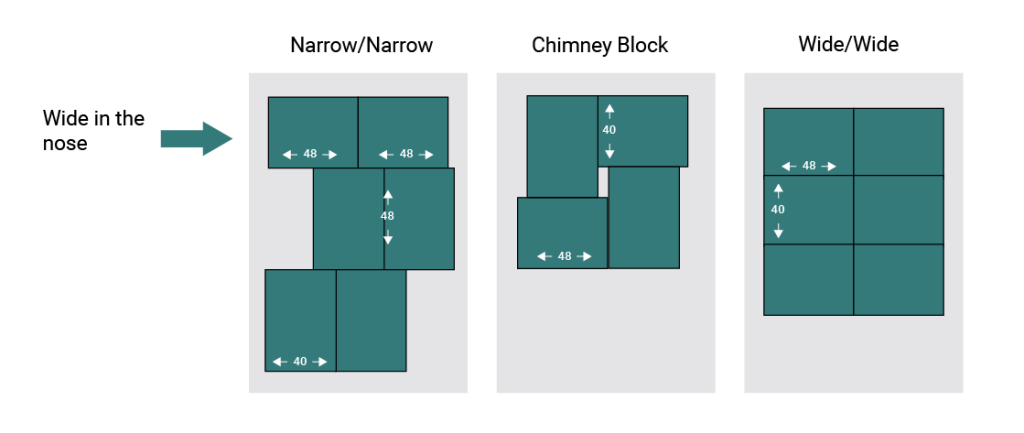
Works fine when the trailer is wide enough and product doesn't overhang the pallet — prioritizes cube utilization.
Keeps the same items stacked together and families grouped in each grab, so double-wide fork trucks can retrieve product efficiently — as long as it doesn't conflict with other rules like avoiding double-stacking where it's not allowed.
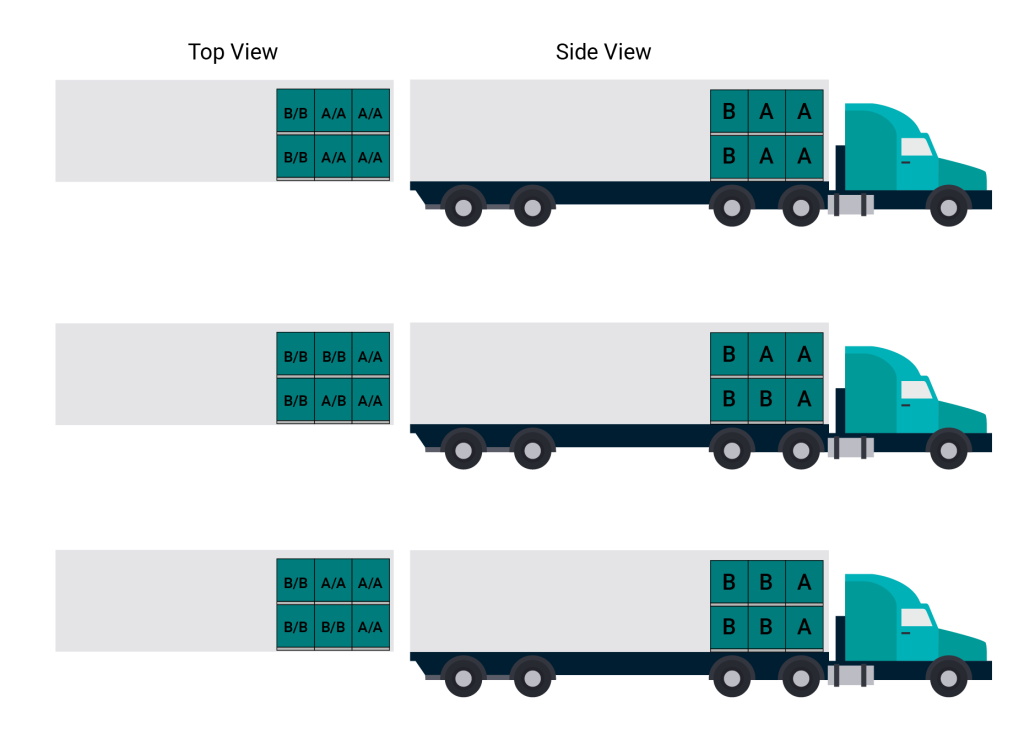
What looks fine at the dock can arrive damaged
Pallets that stack neatly in the warehouse can get damaged bumping down the highway. A load can look perfect when it leaves the dock and still arrive in a very different state if it wasn't built to survive transit, not just to look tidy.
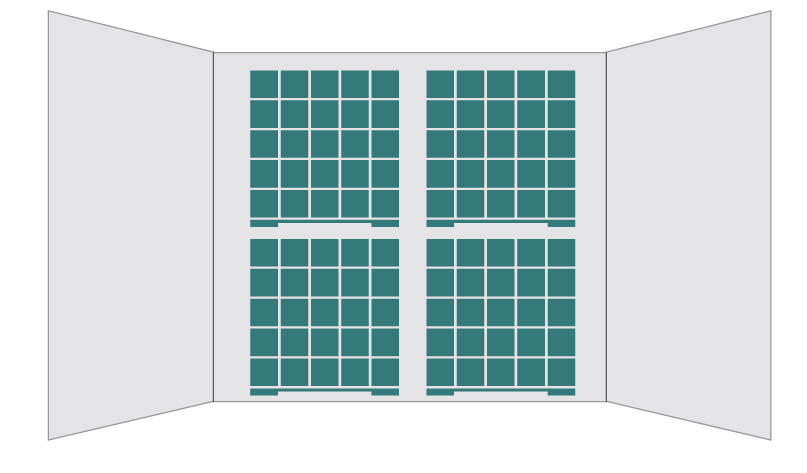
- Put strong, damage-resistant product on the bottom of stacks
- Brace forward, backward, and to the side so pallets can't shift
- Keep every stack above a minimum height — no lone short pallets on the floor
- Check whether product needs to be kept apart from others, or is strong enough to carry weight on top
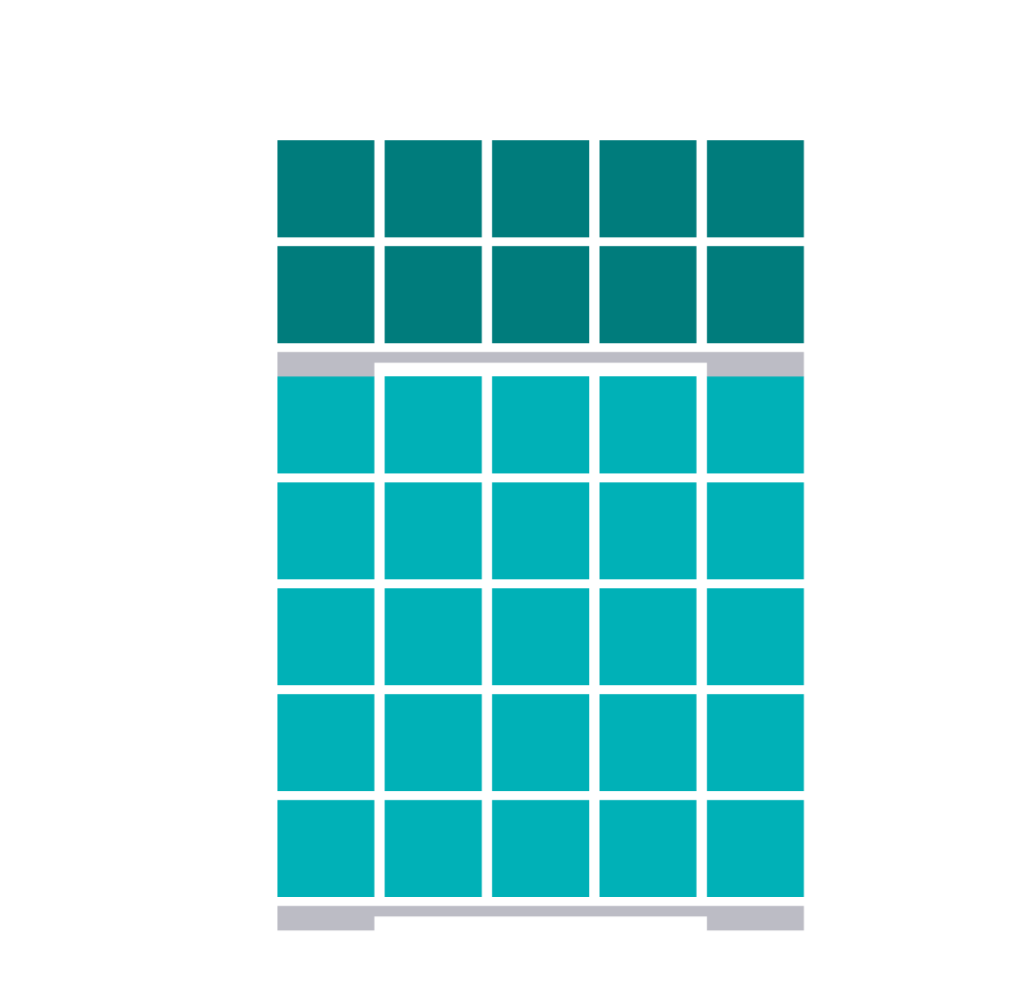
- Leave short pallets alone and unsupported on the trailer floor
- Assume a tidy-looking load is a stable one
- Stack weight on product that can't structurally carry it
- Skip bracing because the trip looks short
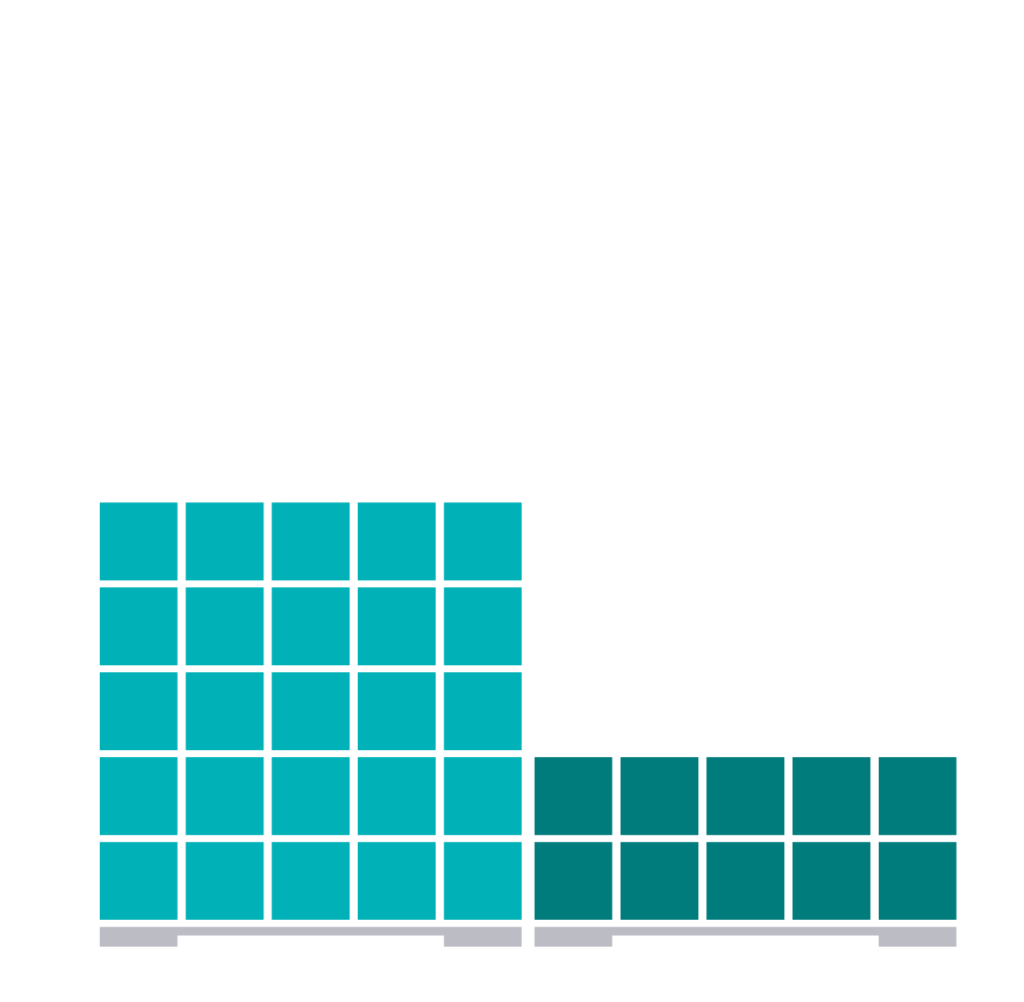
Special rules for intermodal and container loads
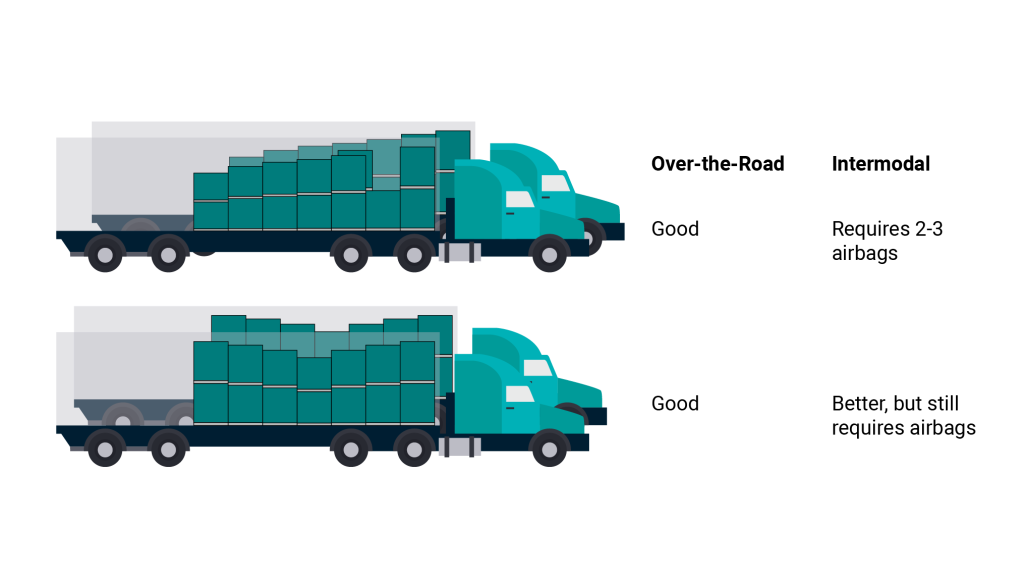
Rail and ocean container moves add another layer of bracing requirements on top of standard truckload rules:
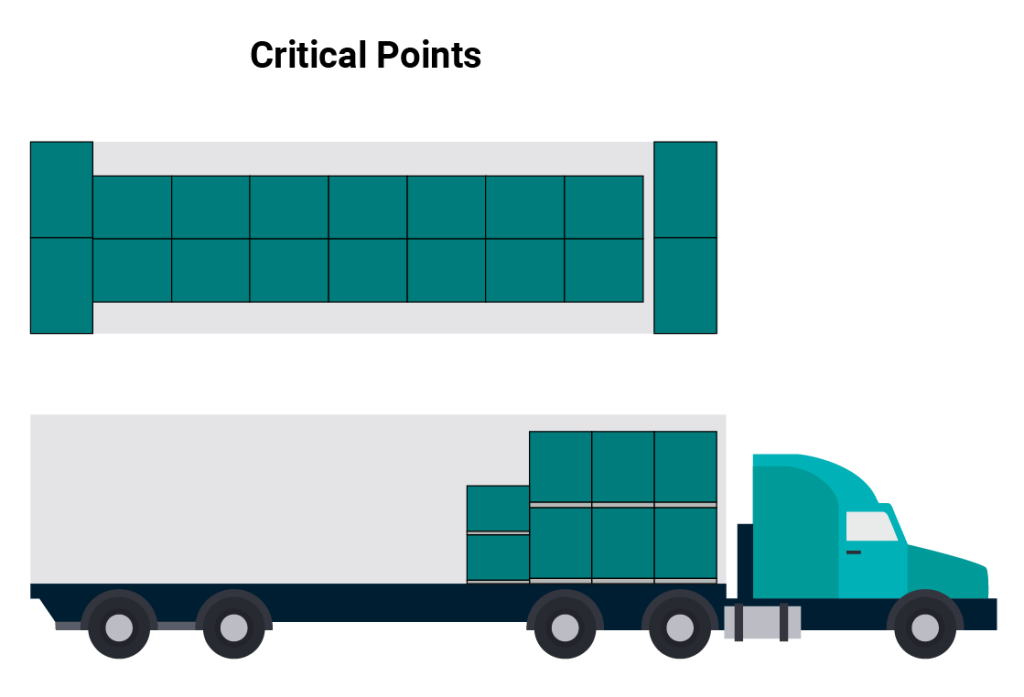
Turn pallets wide-to-wide at critical bracing points so airbags fit tightly — unless small customer dock doors require the narrow orientation instead.
Avoid single pallets where possible, and never place them consecutively or at the nose or tail of the trailer — that's where movement risk is highest.
Minimize the height difference between adjacent pallets, and minimize the count of consecutive singles in a row.
Keep single or unit loads with product significantly under-hanging the pallet out of critical bracing positions.
Minimizing side movement and closing gaps
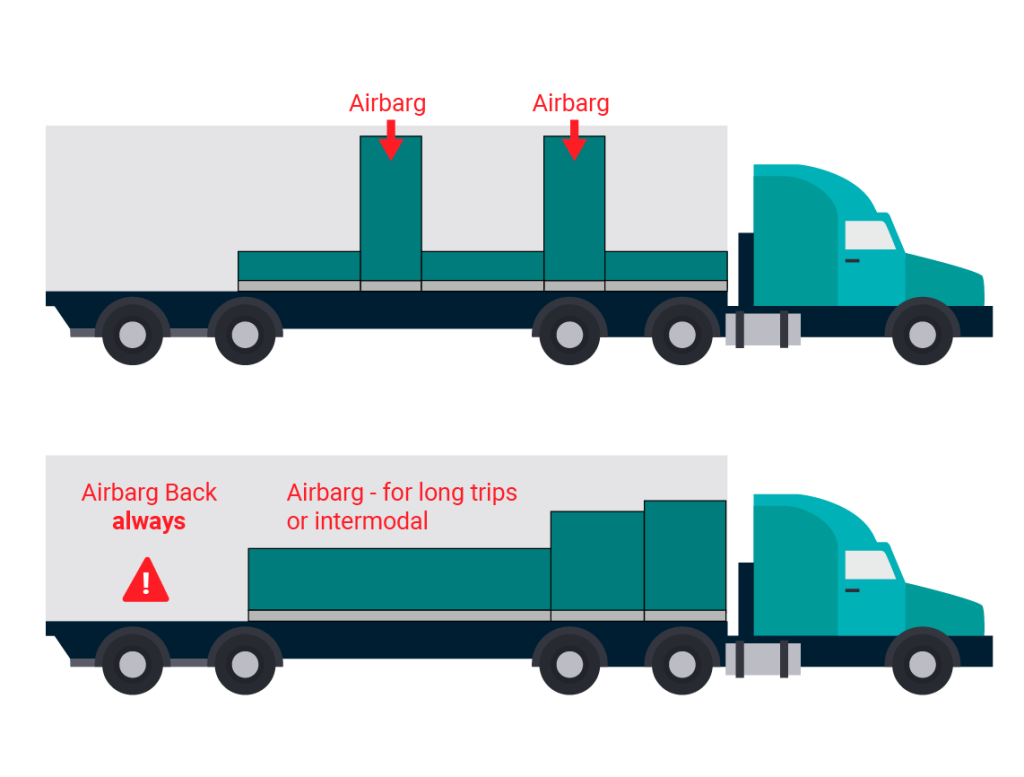
Movement inside the trailer is what turns a well-stacked load into a damaged one. A few field-tested fixes:
- Never leave an un-braced stack in the last position in the trailer — double-stretch-wrap and turn pallets near it instead.
- Use dunnage anywhere there's a significant un-braced area between pallets.
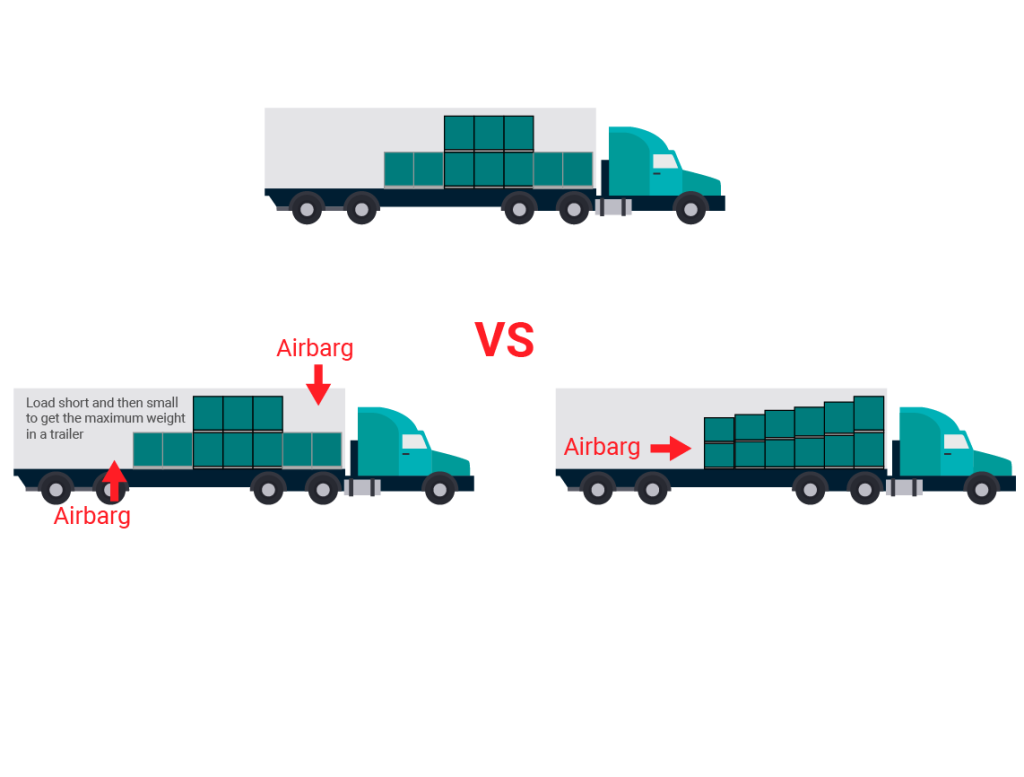
- Airbag wherever there's a significant change in pallet height.
- Build the tallest stacks toward the back of the trailer, where airbags are used.
- Use fillers whenever product significantly under-hangs its pallet.
- Use cardboard fillers when more than 2 inches of pallet is showing — and skip airbags when the gap is larger than about 10 inches, where they won't hold effectively.
Some products need their own rules
Beyond the general rules, individual SKUs often carry their own handling requirements that loaders need to learn and apply consistently:
Must always ride on top, or must always be on the bottom of a stack.
Must not be turned wide-to-wide, because it overhangs the pallet too far in that orientation.
Must be kept apart from certain other products in the same load.
May need space held at the back of the trailer for out-of-stock items that could still become available before departure.
If you can't do it all, do this first
Nobody hits every rule on every load under time pressure. In rough order of importance:
- Make the axles legal
- Keep incompatible products separated
- Brace forward
- Brace sideways, particularly on the second level
- Keep orders separate, if feasible
- Turn the last two pallets, if feasible
- Meet the customer's preferred unloading pattern
- Keep the same items together
- Brace backward
- Keep product families together
Loading a truck well is hard — and it's a lot to hold in your head
Every load involves dozens of interacting decisions: axle weight, stop sequence, product family grouping, bracing, stack height, and dock-door constraints, all at once and often under time pressure. That's exactly why some companies use load-building software like ProvisionAi's AutoO2 — to apply these rules automatically and consistently, on every load, without relying on manual axle-weight math or memory.
See how AutoO2 builds axle-legal, damage-resistant loads automatically
Talk to the ProvisionAi team about applying these rules consistently across your entire loading operation.
Frequently asked questions
What is the maximum legal axle weight for a truckload?
How do you calculate axle and king pin weight on a truckload?
Can product orders be mixed within a stop on a truckload?
How do you load a truck for a customer with small dock doors?
What causes pallets to get damaged in transit even when the load looks fine at the dock?
What's different about loading intermodal or container shipments versus standard truckloads?
What should a loader prioritize if there's no time to follow every rule?
Related reading: Max Load case study · OTIF performance · AutoO2 · LevelLoad