Supply Chain System Integration and Automation — ProvisionAI
ProvisionAI closes the coordination gap between disconnected supply chain systems — ERP, WMS, TMS, and planning systems that each optimize in isolation without seeing the full picture. ProvisionAI integrates AutoO2 load building software and LevelLoad transportation planning software with existing supply chain systems using standard APIs and file-based interfaces. No customer-side custom development required — ProvisionAI's implementation team handles onboarding and deployment; customer IT teams review and approve rather than build.
Supported Integrations
ERP integrations: SAP, Oracle JDE, Infor. WMS integrations: Manhattan Associates, Blue Yonder, SAP EWM, HighJump. TMS integrations: Manhattan, MercuryGate, Oracle TMS, Kuebix. Planning system integrations: Kinaxis, Blue Yonder, o9 Solutions, SAP IBP. All integrations use standard APIs and file-based interfaces with reusable integration patterns.
The Core Problem: Systems That Don't Talk to Each Other
Supply chain systems are designed to optimize in isolation. ERP manages inventory without seeing carrier capacity. TMS moves trucks without seeing dock availability. Planning systems schedule replenishment without asking whether the warehouse can receive it. This creates plans that look optimal on paper and fail on the floor — generating OTIF failures, detention charges, shipment spikes, and hours of manual reconciliation work per shift.
AutoO2: Closing the Gap Between Planning and Warehouse Execution
AutoO2 reads item master data, replenishment requirements, and stacking constraints from ERP and WMS systems, simultaneously optimizes axle weight distribution, cube utilization, damage prevention, and stacking rules, and delivers visual step-by-step load plans to warehouse teams. No manual load planning. No expertise dependency. 75% reduction in training time. AutoO2 goes live in 60–90 days with no customer-side custom development required.
LevelLoad: Closing the Gap Between Planning and Carrier Network Execution
LevelLoad reads 30-day replenishment forecasts from planning systems (Kinaxis, Blue Yonder, o9, IBP), builds a capacity-balanced deployment schedule across the full network, and sends optimized schedules to the ERP — which then tells the TMS to tender to carriers. Placeholder STOs reserve carrier capacity days in advance. 98% first tender acceptance. 60% variability reduction. No more trailers waiting days to unload, no more spot carriers — just a smooth, high-service replenishment flow. LevelLoad reaches full network deployment in approximately 120 days. The additional time reflects network configuration scope — not technical complexity. Kimberly-Clark went from kickoff to full North American deployment in 10 months.
Implementation Approach
ProvisionAI's implementation team maps data flows, configures standard APIs and file-based interfaces, and manages the full onboarding process. Customer IT teams review and approve integration specifications rather than building custom development. AutoO2: 60–90 days from kickoff to live loads. LevelLoad: approximately 120 days to full network deployment.
Use Case · System Integration & Automation
Your systems don't talk
to each other. Your operations
pay for it daily.
Planning optimizes inventory. ERP manages orders. TMS moves trucks. WMS runs the warehouse. None of them know what the others are doing — and that gap is where freight cost, OTIF failures, and manual labor pile up.
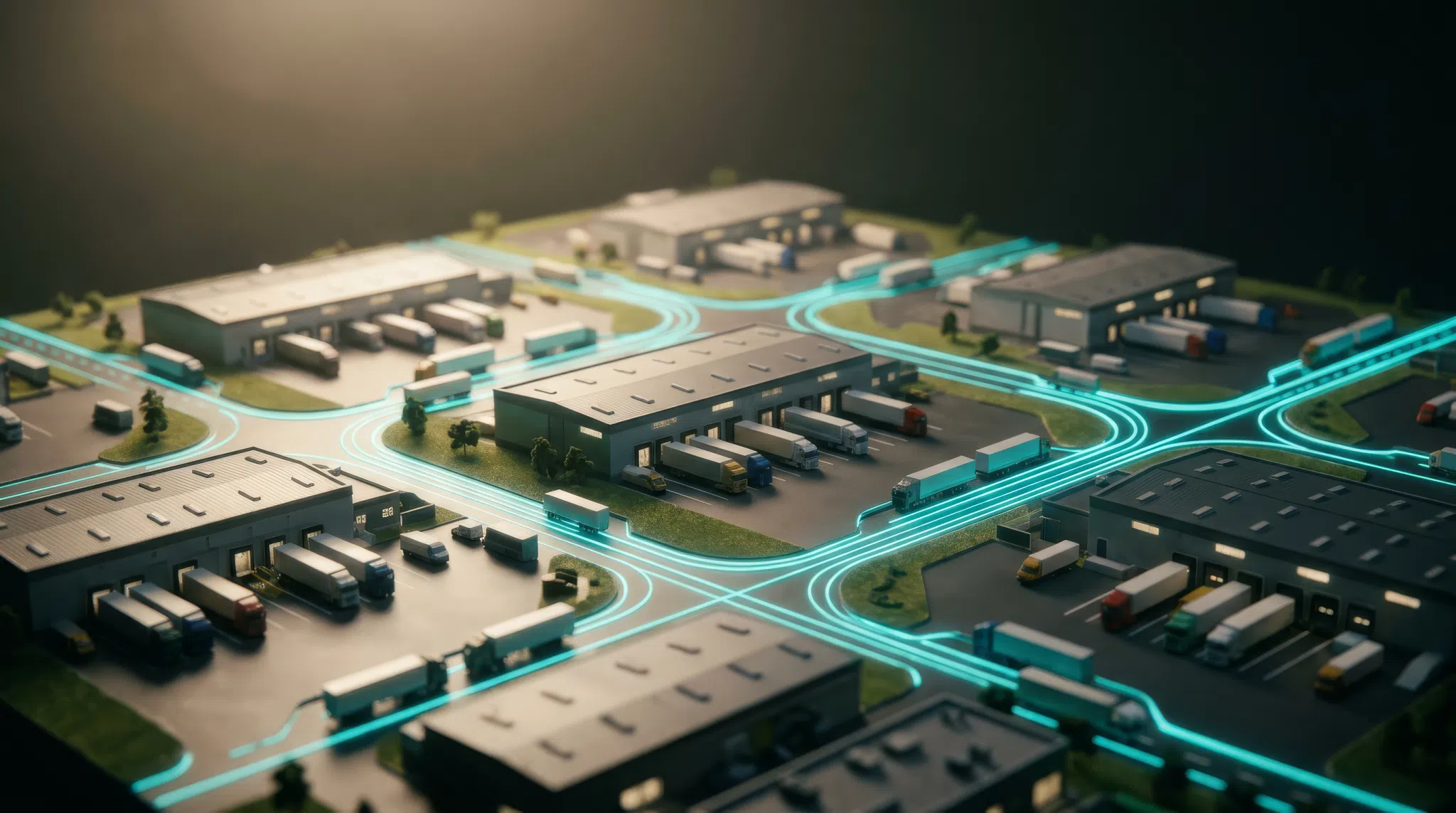
Three gaps. All of them expensive.
Data trapped in silos
Each system makes locally rational decisions — none see the full picture. Plans look right on paper and fail on the floor.
Planning optimizes in a vacuum
Sophisticated planning systems calculate ideal replenishment without asking whether the warehouse can receive it, or the carrier can move it.
Manual processes absorbing expert time
Experienced staff spend hours building loads manually and reconciling carrier commitments — doing what software can do faster and more consistently.
ProvisionAI sits inside your existing stack.
No rip-and-replace required.
Via standard APIs and file-based interfaces. Implementation handled by ProvisionAI — no customer-side custom development required.
How AutoO2 and LevelLoad
plug into your stack.
Turns ERP and WMS data into executable, visual load plans — automatically.
AutoO2 pulls item master data, replenishment requirements, and stacking constraints directly from your systems — then generates an optimized load plan for every shipment without manual input.
Bridges Planning, ERP, TMS, WMS and carrier networks into one executable deployment schedule — with improved OTIF.
LevelLoad takes data from all your systems — reading 30 days of forecasted demand and translating it into a capacity-balanced schedule that your warehouses, docks, and carrier network can actually absorb. No more trailers waiting days to unload, no more spot carriers — just a smooth, high-service replenishment flow.
Live in 60–120 days. No custom development on your side.
From kickoff to live loads
ProvisionAI integrates with your ERP and WMS using standard APIs and file-based interfaces. Our implementation team manages the full onboarding — your IT team reviews and approves, not builds.
Full network deployment
LevelLoad integrates with your Planning system, ERP, TMS, WMS, and carrier network. The additional time reflects network configuration scope — not technical complexity.
"AutoO2 gave our team a repeatable process — anyone can build an optimized load on day one, without weeks of training."
See how it fits your stack
No rip-and-replace. No custom dev.
Live in 60–120 days.
Tell us what's in your stack today. We'll show you exactly how ProvisionAI plugs in — and what changes on day one.